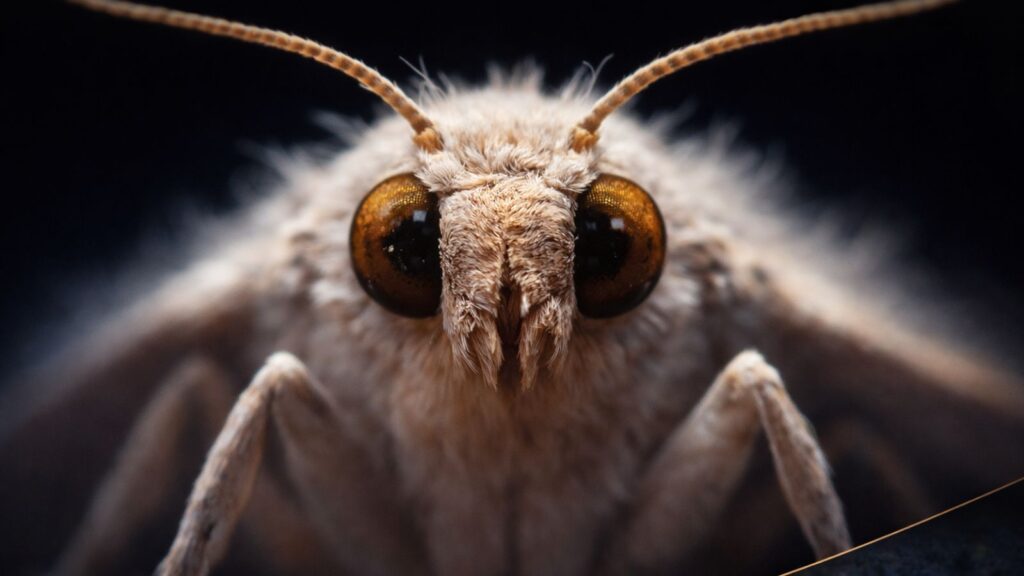
Seeing the occasional moth indoors is not always a cause for concern. Moths can sometimes enter homes accidentally through open windows or doors, particularly during warmer months when they are attracted to light.
However, frequent moth sightings inside your London property may indicate a developing infestation, particularly if moths are appearing in wardrobes, cupboards, or carpeted areas.
Across London, clothes moth infestations have become increasingly common in residential properties, hotels, retail stores, and heritage buildings. Left untreated, moth larvae can cause significant damage to clothing, carpets, upholstery, and other natural fibres.
At Obsidian Environmental Services, our technicians bring over 65 years of combined field experience managing moth infestations across Central London and the wider city. As RSPH and NPTA-accredited pest control specialists, we follow industry best practice when identifying, treating, and preventing moth activity in both residential and commercial properties.
Understanding why moths appear in homes is the first step in preventing damage and ensuring infestations are dealt with effectively.
Key Considerations
- Occasional moth sightings are normal, but frequent sightings may signal infestation.
- Clothes moth larvae feed on natural fibres such as wool, silk, fur, and carpets.
- Infestations often begin in undisturbed areas like wardrobes, storage spaces, or under furniture.
- Professional treatment is often required to fully eliminate eggs and larvae.
- Preventative measures significantly reduce the likelihood of recurrence.
What Type of Moths Are Found in Homes?
Different moth species infest homes for different reasons. Identifying the type of moth is essential to determining the correct treatment approach.
Pantry Moths (Food Infestation)
Pantry moths are typically found in kitchens or food storage areas.
They are attracted to stored dry foods, including:
- Flour
- Rice
- Pasta
- Cereals
- Nuts
- Spices
- Pet food
Infestations often begin when contaminated food products are brought into the home. Adult moths then lay eggs inside cupboards, allowing larvae to spread through stored goods.
Signs of pantry moths include:
- Small moths flying around the kitchen cupboards
- Silky webbing inside food packaging
- Larvae or small caterpillars inside dry goods
Clothes Moths (Fabric Infestation)
Clothes moths are the most destructive moth species found in London homes.
Unlike pantry moths, clothes moth larvae feed on keratin, a protein found in natural fibres such as:
- Wool
- Cashmere
- Silk
- Fur
- Leather
- Feathers
- Carpets and rugs
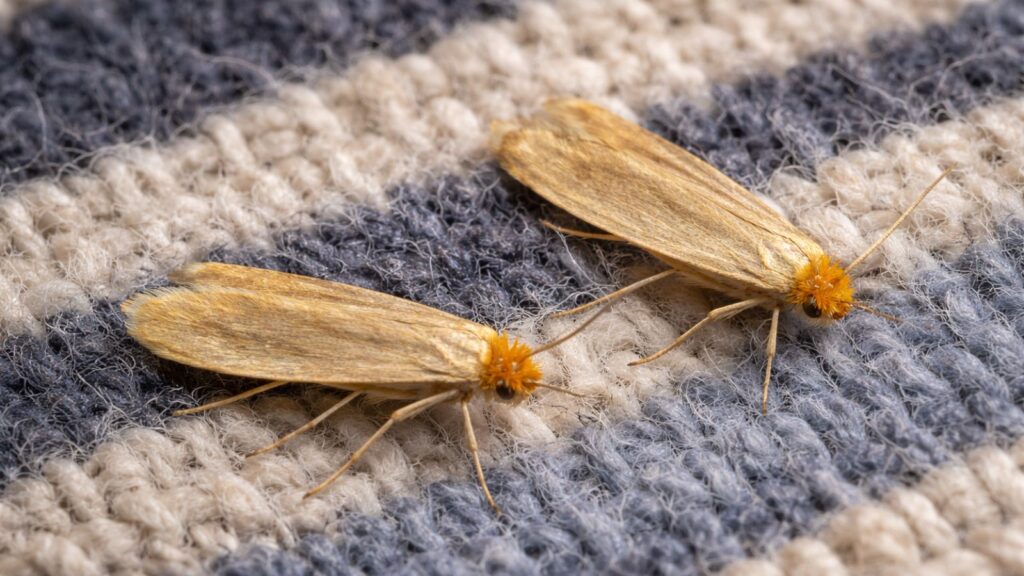
Clothes moths are small, gold or buff coloured insects that tend to avoid light. Rather than flying around rooms, they typically crawl or flutter close to surfaces.
Common locations where infestations develop include:
- Wardrobes containing wool clothing
- Storage boxes or suitcases
- Under carpets and rugs
- Behind skirting boards
- Beneath upholstered furniture
- Quiet areas of bedrooms and dressing rooms
It’s the larvae, not the adult moths, that are responsible for fabric damage while feeding.
Why Do Moths Appear in Homes?
Moths enter homes for several reasons, usually linked to food sources or suitable breeding environments.
1. Natural Fibre Food Sources
Clothes moth larvae rely on keratin for nutrition. Items such as wool garments, rugs, and upholstery provide ideal feeding material.
Properties containing large amounts of natural fibres, particularly in luxury homes, hotels, or fashion environments, are more susceptible to infestations.
This is one reason clothes moth activity is frequently encountered in Central London areas such as Kensington, Chelsea, and Mayfair, where wool carpets, antique furnishings, and luxury garments are common.
2. Hitchhiking on Infested Items
Many infestations begin when eggs or larvae are unknowingly introduced into the home.
Common sources include:
- Vintage or second-hand clothing
- Antique rugs or carpets
- Upholstered furniture
- Clothing stored in lofts or storage units
Because moth eggs are extremely small, infestations can remain undetected until damage begins to appear.
3. Hidden Breeding Areas
Clothes moths prefer quiet, undisturbed environments.
Potential nesting areas include:
- Behind wardrobes or heavy furniture
- Beneath carpets
- Inside airing cupboards
- Under the skirting boards
- Inside unused rooms or storage areas
Larvae can also develop within accumulated hair, dust, or natural fibres trapped in vents or floor gaps.
4. Environmental Conditions
Warm, stable indoor environments provide ideal conditions for moth reproduction.
Moths may also enter properties seeking shelter during colder months or poor weather conditions.
What Do Clothes Moths Look Like?
Correct identification helps determine whether treatment is necessary.
Typical characteristics of clothes moths include:
- Small wingspan (around 6–9mm)
- Golden or buff coloured wings
- Narrow body with fringed wing edges
- Tendency to avoid light and hide in dark spaces
- Weak flight pattern, often fluttering rather than flying strongly
You may notice them:
- Crawling on walls or inside wardrobes
- Resting on fabrics or clothing
- Near carpets or upholstery
If moths are consistently appearing in these locations, it often indicates active breeding within the property.
Are Moths Dangerous?
Moths are not known to bite humans or transmit diseases.
In fact, many adult moths do not feed at all. Their sole purpose is to reproduce before dying shortly after emerging from the larval stage.
However, the damage caused by clothes moth larvae can be extensive.
Clothes moth infestations frequently result in:
- Irreparable clothing damage
- Destroyed carpets or rugs
- Upholstery deterioration
- Contamination of stored textiles
Infestations can also negatively impact well-being, particularly in homes where valuable garments or furnishings are affected.
Why DIY Clothes Moth Treatments Often Fail
Many property owners attempt to control clothes moths using store-bought traps or sprays.
While pheromone traps can help monitor moth activity, they rarely eliminate the underlying infestation.
This is because:
- Eggs are extremely difficult to locate
- Larvae remain hidden within fabrics and structural gaps
- Multiple breeding sites may exist within the property
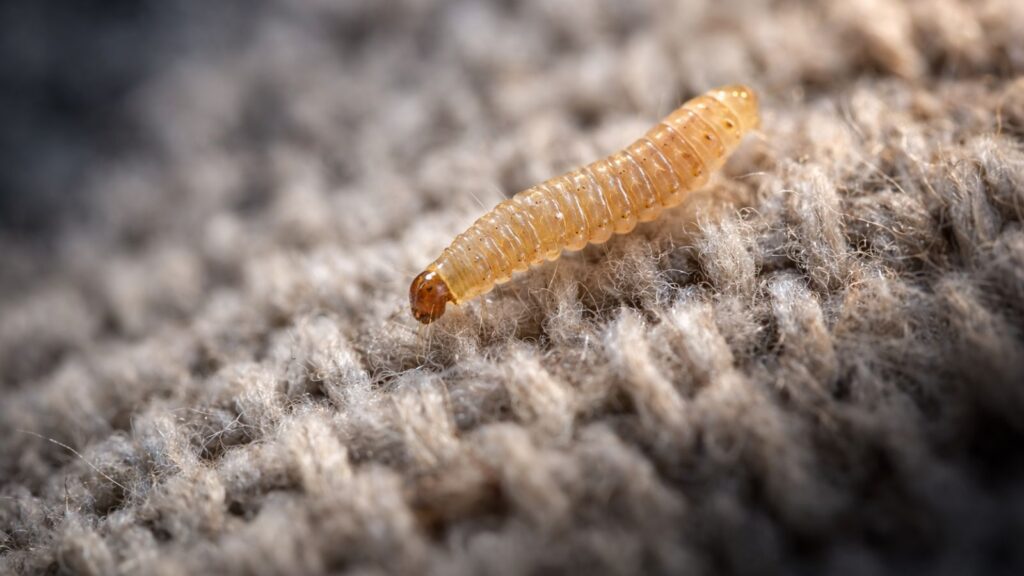
Without professional identification and treatment, infestations often continue to develop unnoticed.
Our Professional Clothes Moth Treatment Approach
At Obsidian Environmental Services, we use a structured treatment strategy developed through decades of practical moth control experience across London.
Detailed Inspection
Our technicians begin by identifying:
- Active breeding areas
- Larval feeding sites
- Structural harbourage locations
- Environmental factors encouraging infestation
This ensures treatment targets the true source of the problem.
Specialist Clothes Moth Treatments
Depending on the severity of the infestation, we may recommend:
- Targeted insecticidal treatments
- Professional heat treatment to eliminate all life stages
- Specialist steam treatment for fabrics and furnishings
- Monitoring and follow-up inspections
These methods allow us to eradicate moth populations while protecting sensitive materials.
Prevention and Long-Term Protection
Our technicians also provide practical advice on reducing recurrence risk.
Preventative recommendations may include:
- Professional cleaning of affected areas
- Improved storage of wool garments
- Routine inspection of wardrobes and carpets
- Environmental adjustments to reduce breeding conditions
Where required, we also offer ongoing pest management services for residential buildings, hotels, and retail environments.
A Clothes Moth Infestation in a Central London Apartment
A recent client in Soho contacted Obsidian after discovering repeated moth sightings inside wardrobes and bedrooms. During inspection, our technicians identified:
- Larvae beneath a wool rug
- Active breeding behind skirting boards
- Multiple egg clusters were found within stored winter clothing
Following targeted treatment and steam application to the affected fabrics, the infestation was fully eliminated, and preventive measures were implemented.
Situations like this highlight why professional identification and treatment are essential when moth activity becomes persistent.
When You Should Contact a Professional
Occasional moth sightings are not unusual. However, professional inspection is recommended if you notice:
- Repeated moth sightings indoors
- Damage to clothing or carpets
- Larvae or small caterpillars on fabrics
- Moths appearing in wardrobes or storage areas
Early intervention significantly reduces the potential cost and disruption caused by infestations.
Protect Your Home from Clothes Moth Damage
If you are seeing moths regularly inside your property, it may indicate an established infestation.
Obsidian Environmental Services has been providing specialist moth treatment across Central and Greater London since the 1990s. With over 65 years of combined pest control experience, our accredited technicians understand exactly how moth infestations develop and how to eliminate them effectively.
Learn more about our Clothes Moth Treatment, Heat Treatment, and Steam Treatment services, or arrange a professional inspection today.
Call 020 8050 0238 or book an inspection online to protect your property from further damage from moths.