Finding a few ants inside can quickly turn into a visible trail of activity across floors, worktops or other areas of a property. But why can an ant problem seem to appear out of nowhere?
In most cases, the ants you see are foraging workers from a nearby colony that have found a reliable route into the property and a source of food. Activity can become particularly noticeable during the warmer months, when many outdoor ant species are at their most active.
For homes, businesses, landlords and property managers across London, understanding where the ants are coming from is the first step towards controlling the problem effectively.
Why Are Ants Suddenly Appearing in My Property?
There are several reasons why ants can seemingly appear without warning:
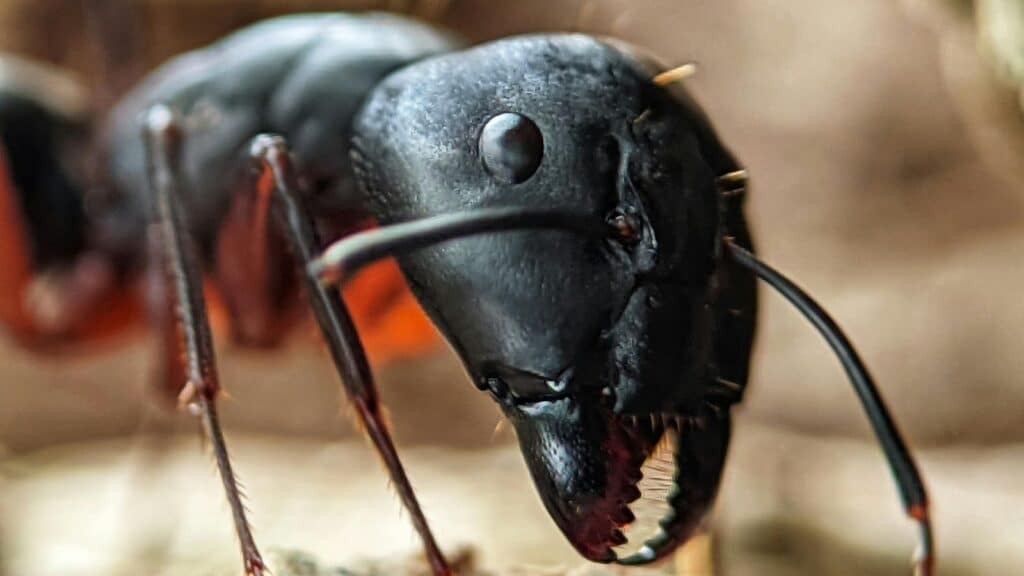
- They have found food: Worker ants actively forage for food and can establish repeated trails once a reliable source has been located. Sweet foods are particularly attractive to common black garden ants.
- A colony is nearby: Ant nests can occur under paving, walls and other sheltered locations, allowing workers to enter properties through surprisingly small gaps.
- Summer activity has increased: Many outdoor ant species have a season running broadly from spring into autumn. Winged reproductive black garden ants also typically swarm for a short period during July or August.
- The building provides suitable conditions: Heated buildings can support species such as pharaoh and ghost ants, which may establish nests within inaccessible parts of a structure.
This means that cleaning away the ants you can see does not necessarily remove the colony responsible for them. In fact, in some cases this can actually cause the colony to relocate its queen to a safer, less disturbed location.
Common Types of Ants Found in London Properties
Correct identification matters because different ant species can behave very differently and may require different methods of control.
Black Garden Ants
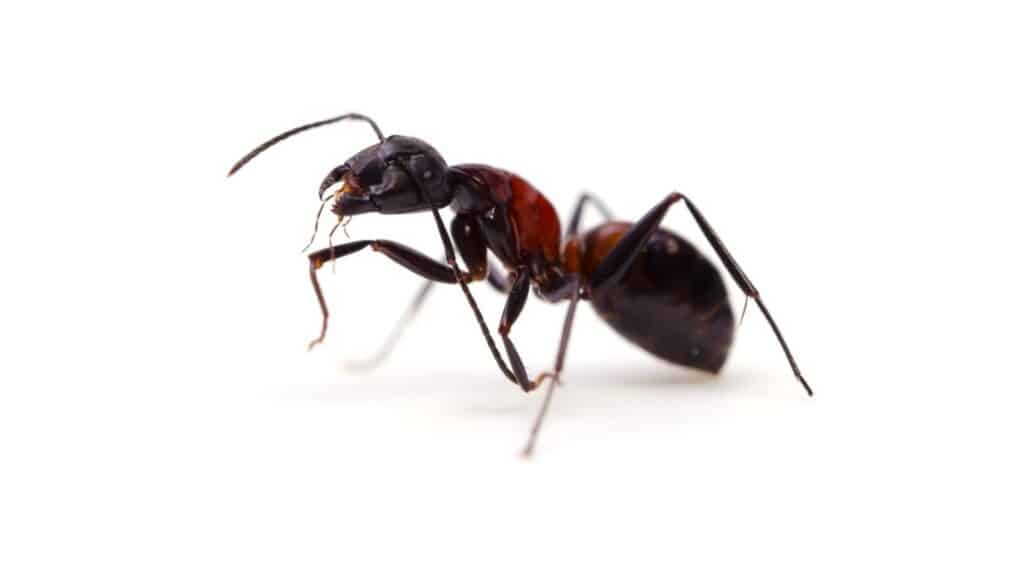
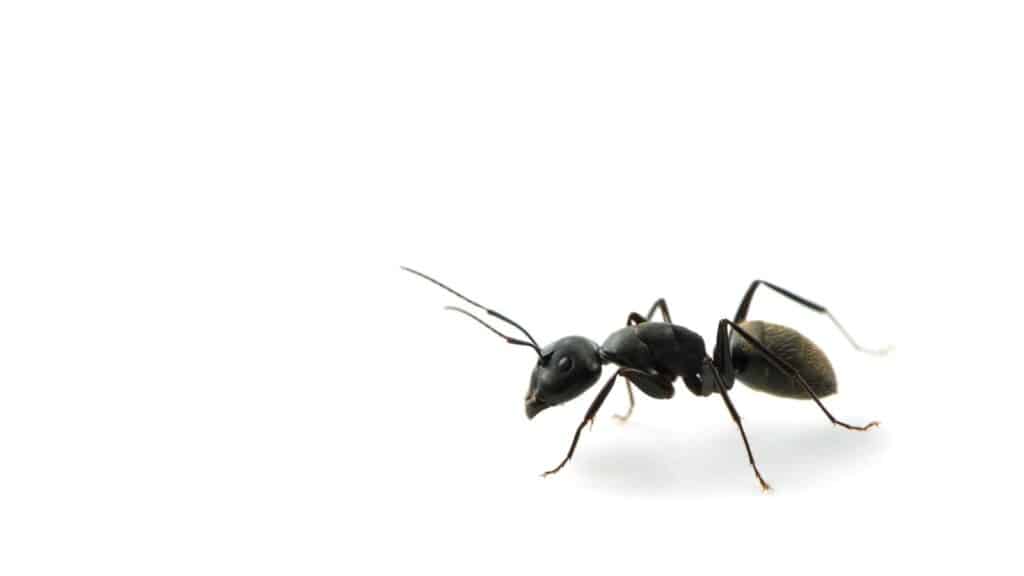
The black garden ant (Lasius niger) is the most common ant known to invade UK homes. Workers are typically attracted indoors while searching for food, particularly sweet foodstuffs. Their nests can occur outdoors around pavements and other sheltered areas, as well as within parts of building structures.
They are often responsible for the familiar lines of ants seen travelling repeatedly between an entry point and a food source.
Pharaoh Ants
Pharaoh ants are considerably smaller and favour warm indoor environments. Centrally heated buildings can provide suitable conditions, and colonies may establish multiple nests within inaccessible areas of a property.
They can be particularly difficult to control because disturbing a colony incorrectly can encourage it to split and establish additional satellite colonies elsewhere within a building.
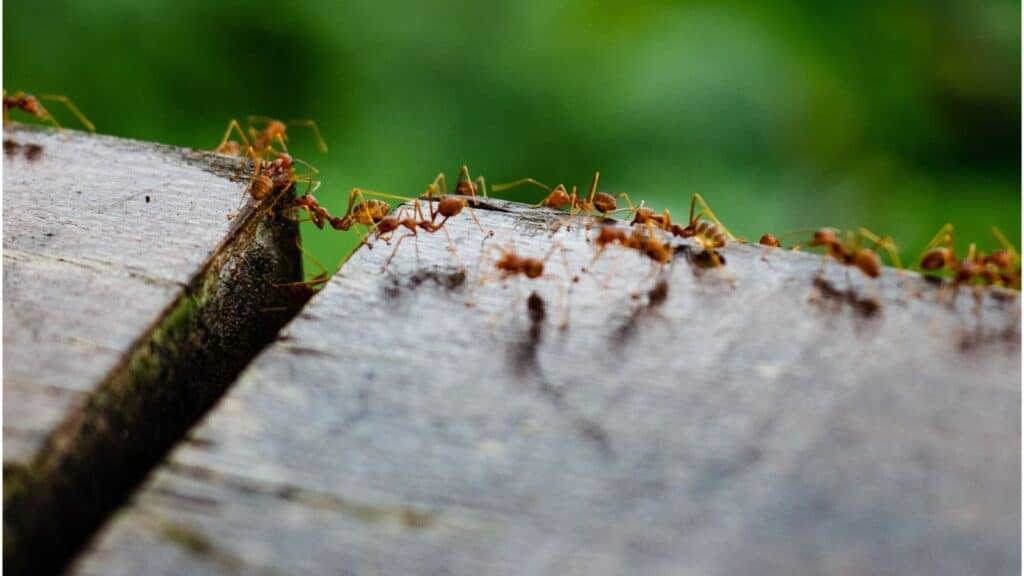
While Pharaoh ants do not transmit diseases through bites or stings, they are dangerous mechanical vectors. They pick up harmful pathogens on their bodies while crawling through waste, then transfer these germs directly onto food, counters, and sterile surfaces.
Ghost Ants
Ghost ants are another very small species associated with heated buildings. Pest control specialists note that they are becoming more common in such environments and recommend professional ant control.
If you are unsure which ants are present, professional identification can prevent the wrong treatment being applied.
How Ant Problems Cause Problems for Businesses in London
For a homeowner, ants are frustrating. For a business, they can become a much more immediate operational concern.
Restaurants, cafés, hotels, food premises, shops, offices, managed estates and other commercial properties can all provide ants with opportunities to find food and establish recurring routes through a building.
Visible ants in customer-facing or food-handling areas can also create an obvious hygiene and reputational concern. In larger buildings, the source may not even be within the affected room or individual unit.
This is where simply dealing with the visible ants can prove ineffective. The underlying colony, nesting area and routes of movement need to be considered.
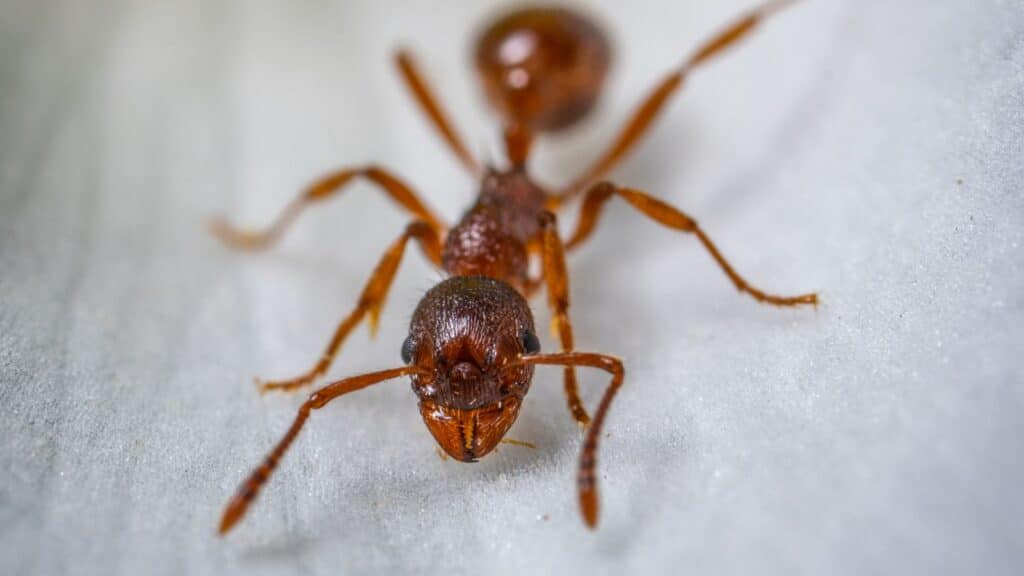
For commercial sites, estates, and managed properties, this can include ongoing monitoring and preventive pest management support where recurring activity needs to be controlled.
Will Ants Go Away on Their Own?
Occasional outdoor ants do not automatically mean that professional pest control is required.
However, repeated trails, ants emerging from the same structural area, activity across multiple rooms, large numbers of ants or a problem that repeatedly returns can indicate that a more established colony is involved.
It is also important to be cautious with general insect sprays.
While spraying visible workers may temporarily reduce the number of ants, it can leave the colony itself intact. With species such as pharaoh ants, inappropriate disturbance can even contribute to colonies spreading through the building.
Effective control therefore starts with knowing which type of ant is present and where the activity originates.
Speak to an Ant Control Specialist in London
If ants continue to return, Obsidian provides industry-proven ant removal and control solutions across London for both domestic and commercial properties.
Our technicians can assess the extent of the activity, identify the ant species involved and recommend a treatment strategy suited to the property and infestation.
Obsidian is a licensed and insured pest control specialist with RSPH–NPTA-accredited pest-control technicians delivering bespoke pest-management services across residential, commercial and industrial environments.
If ants have suddenly started appearing in your property or you are aware of an ongoing infestation, and you need experienced guidance, contact our friendly team at Obsidian to discuss the right solution for you.