Waking up with itchy marks or finding unusual spots on bedding can understandably raise concerns about bed bugs. There are some quick checks you can make, but in our experience, it is easy to mistake other insect bites or skin irritation for bed bug activity.
The most useful starting point is to look for physical evidence around sleeping areas. Bites alone cannot confirm an infestation.
For London hotel owners, holiday-let hosts, landlords and homeowners, recognising the signs early can help limit disruption and get the right support in place.
What Should I Check if I Suspect Bed Bugs?
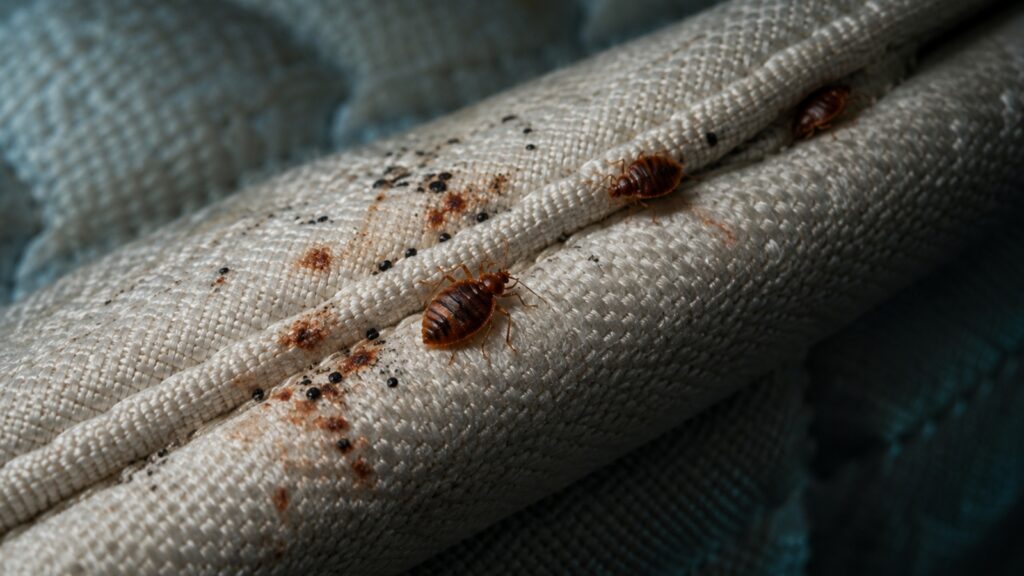
Use a torch to inspect mattress seams, bed frames, headboards and nearby furniture. Common signs to look out for include:
- Raised, itchy marks on skin after sleeping: These may appear in a line or cluster, although the pattern varies and some people show no reaction.
- Rusty or reddish stains on bedding: Blood spots are often left behind by a bed bug after feeding during the night, but blood spots alone are not proof.
- Small dark brown or black dots: Bed bug droppings may appear around mattress seams, bedding and hiding places.
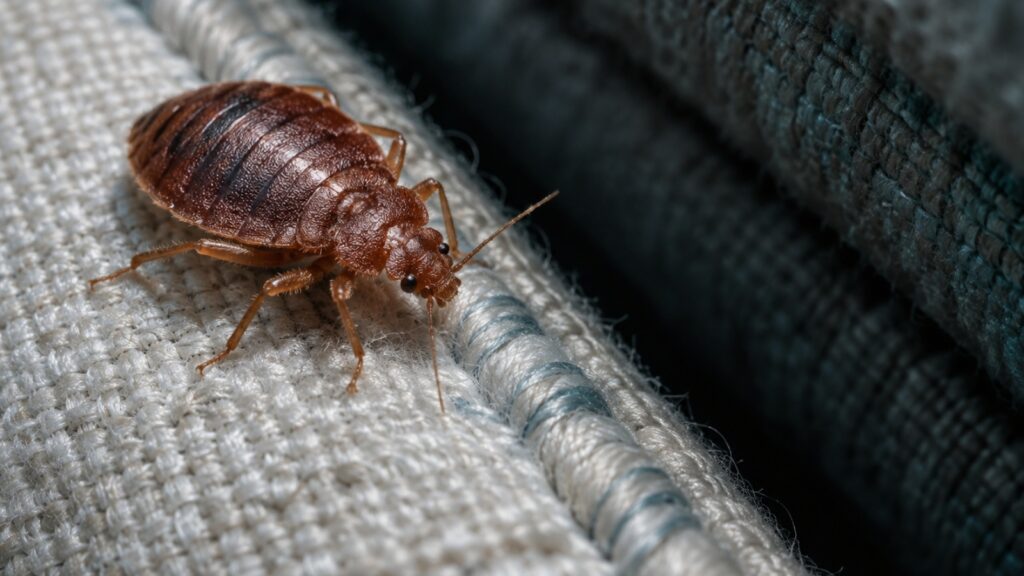
- Shed skins, tiny pale eggs or live insects: Adult bed bugs are flattened, oval and reddish-brown, roughly the size of an apple seed when fully grown. Young bed bugs are smaller and paler.
Bed bugs can hide beyond the mattress, including in furniture joints and cracks near the bed. Photograph anything suspicious, or a live/dead insect, where possible.
What Can Bed Bug Bites Be Mistaken For?
Flea bites, mosquito bites and hives can all cause itchy, raised marks. Scratching irritated skin can also cause bleeding onto bedding, so a combination of itchy skin and blood spots does not necessarily mean bed bugs are present.
A straight line of marks is a reason to investigate, rather than a diagnosis. Some reactions are delayed, so marks noticed after a particular night may not establish where exposure occurred.
For accommodation providers, a guest’s report deserves a prompt, discreet inspection. If skin symptoms persist or become infected, seek medical advice alongside checking the room.
How Do I Get Rid of Bed Bugs?
At Obsidian, we recommend professional help when bed bugs are suspected because they can be stubborn and difficult to locate throughout a property.
An inspection helps establish whether bed bugs are present, how far activity extends and which rooms or belongings require attention. The original introduction is not always traceable, but understanding their hiding places is essential to effective control.
Our bed bug treatment in London may involve targeted insecticidal treatment, professional heat treatment techniques or a combination, depending on the findings. We also provide guidance on preparation, cleaning, aftercare and follow-up inspections.
DIY products exist, but treating visible insects alone can leave hidden bugs and eggs behind. Cleaning and sanitising may form part of the response, but they do not replace treatment of an established infestation.
What Attracts Bed Bugs and How Do They Arrive?
Bed bugs seek blood meals and sheltered places close to where people sleep. They are not a sign of poor cleanliness.
They commonly arrive on luggage, clothing or second-hand furniture. In hotels and holiday lets, they can remain concealed between stays or travel onwards with a guest’s belongings.
London’s busy travel networks and frequent turnover of accommodation create opportunities for introductions. Any guest or resident can unknowingly carry them, whether travelling within the UK or internationally.
How Can I Help Stop Bed Bugs Spreading?
While arranging an inspection, take practical precautions:
- Contain affected laundry: Bag bedding and clothing before carrying them through the property.
- Use appropriate heat: Where care labels allow, wash affected items at 60°C and tumble dry on a hot setting for at least 30 minutes. Keep clean items in fresh, sealed bags.
- Avoid moving untreated belongings between rooms: Furniture, luggage and linen can carry bed bugs elsewhere.
- Check accommodation before unpacking: Inspect mattress seams and headboards, and keep luggage away from beds and upholstered furniture.
- Coordinate the response: Hotel teams, hosts and landlords should record reports promptly and seek advice before relocating guests and their belongings.
These measures can reduce spread, but laundering bedding alone will not resolve bugs hidden elsewhere. Follow the technician’s instructions on cleaning around treatment.
Will Bed Bugs Come Back After Treatment?
They can return if some survive treatment or if new bed bugs are brought into the property.
Appropriate treatment, preparation and follow-up monitoring help reduce the risk of persistent activity. For hotels and holiday lets, routine room checks and a clear reporting process also help identify fresh introductions early. No treatment makes a property permanently immune.
Speak to a Bed Bug Specialist in London
If you have noticed suspicious marks, insects or recurring guest complaints, Obsidian can help establish whether bed bugs are responsible and recommend the appropriate next steps.
We support hotels, holiday lets, landlords, managed properties and homeowners across London with discreet inspections and treatment suited to the infestation.
Contact our team at Obsidian to discuss your concerns and arrange professional help.
Found cockroaches in your restaurant?
At Obsidian, we help restaurants, cafés and other food businesses across London identify, eliminate and control cockroach infestations.
We’re often called when the problem has escalated beyond DIY treatments. Our team assesses the extent of the infestation, targets the source and recommends practical steps to help prevent it from returning.
Spotted signs of pests in your kitchen? Speak directly with Obsidian for professional advice and support to protect your premises, customers and reputation.