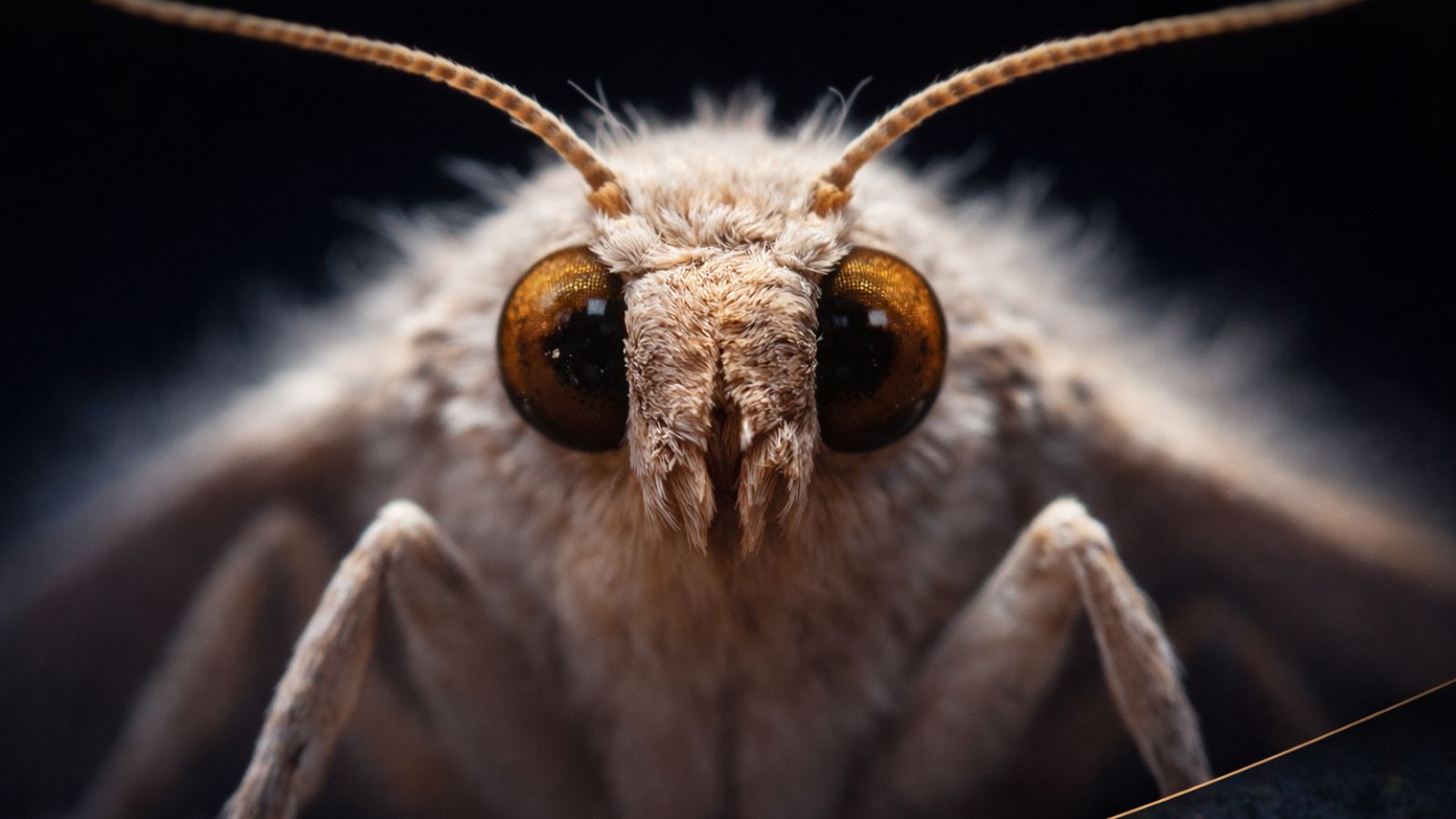
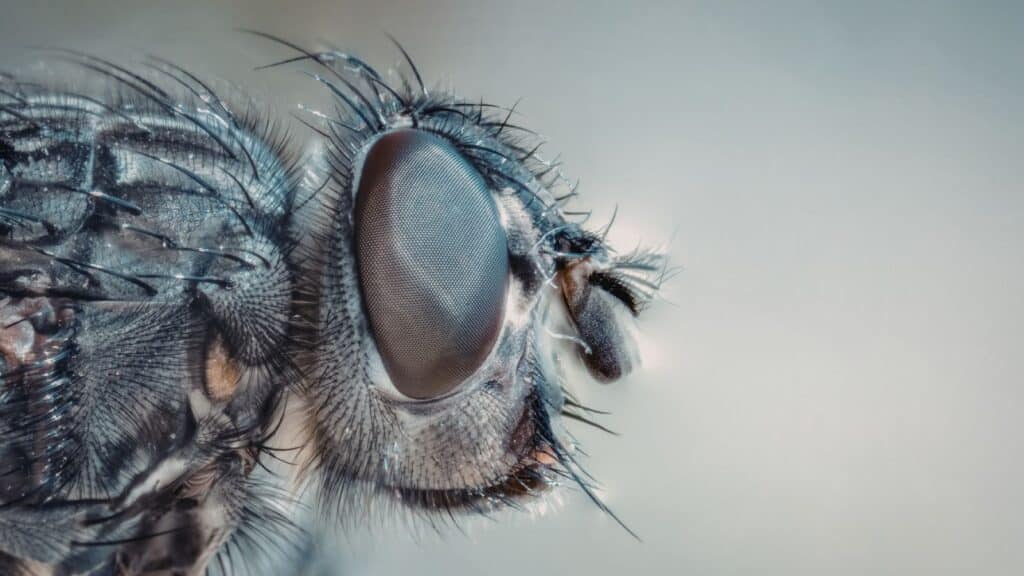
Seeing the occasional fly indoors is not always cause for concern. A single fly may enter through an open door or window, particularly during warmer periods when fly activity naturally increases.
However, regular fly sightings inside your property are often a sign that something more serious is developing. If flies keep appearing around food areas, bins, drains, windows, stock rooms, kitchens, or wash-down areas, there is usually an underlying reason.
In many cases, that means an active breeding source nearby. Fly problems are commonly linked to food waste, moisture, drains, spillages, organic build-up, or poor proofing, and they can escalate quickly if not dealt with properly. Professional pest control is especially important where hygiene, public health, reputation, or compliance are at stake.
Across London, fly infestations are a recurring issue in restaurants, hotels, cafés, commercial kitchens, bin stores, residential blocks, retail units, and private homes. Dense population, constant food movement, ageing drainage infrastructure, service yards, and warmer internal environments can all contribute to persistent fly activity.
At Obsidian Environmental Services, we address fly issues throughout London, helping clients identify the cause, treat the infestation effectively, and implement long-term control measures.
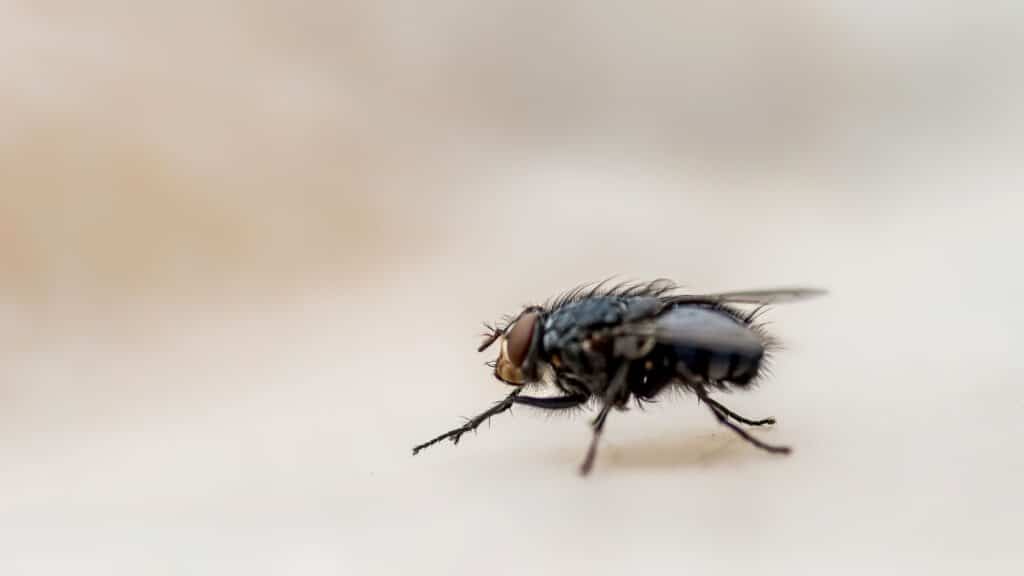
Key Considerations
- Occasional flies can be incidental, but repeated sightings usually point to an underlying source
- Flies commonly breed in food waste, drains, spillages, organic debris, and neglected service areas
- Infestations can affect homes, hotels, restaurants, kitchens, bin stores, washrooms, and commercial premises
- In food environments, fly activity can create serious hygiene, contamination, and reputational concerns
- Effective treatment depends on finding and removing the source, not just killing the visible adults
- Professional fly control is often the quickest route to eradication and long-term control
Why Do Flies Appear Indoors?
Flies do not appear without a reason. Where there is warmth, moisture, organic matter, and a place to breed, flies will take advantage.
1. Food Waste and Organic Build-Up
This is one of the most common causes of fly activity. Small amounts of food residue, sugary spillages, grease deposits, or organic waste can be enough to attract flies and support breeding.
Common hotspots include:
- Kitchen floors and kickboards
- Under appliances
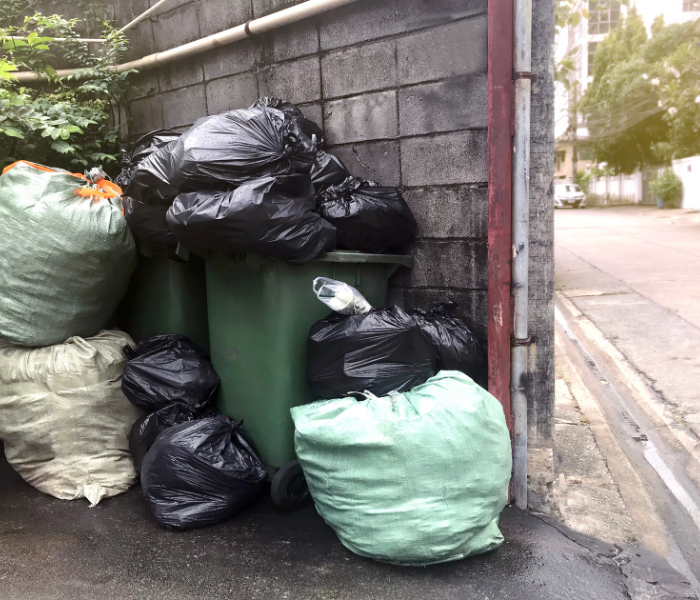
- Bins and bin lids
- Bottle storage areas
- Refuse zones
- Food prep areas
- Service yards and loading points
For homes, this may be linked to food waste, overfilled bins, pet food, or hidden organic matter. For businesses, particularly hospitality venues, even minor cleaning gaps can quickly create the right conditions for persistent fly problems.
Food businesses are expected to maintain premises that allow good hygiene practice, including protection against contamination and pest activity, and the Food Standards Agency specifically notes that pests can spread harmful bacteria.
2. Drains and Moisture-Rich Areas
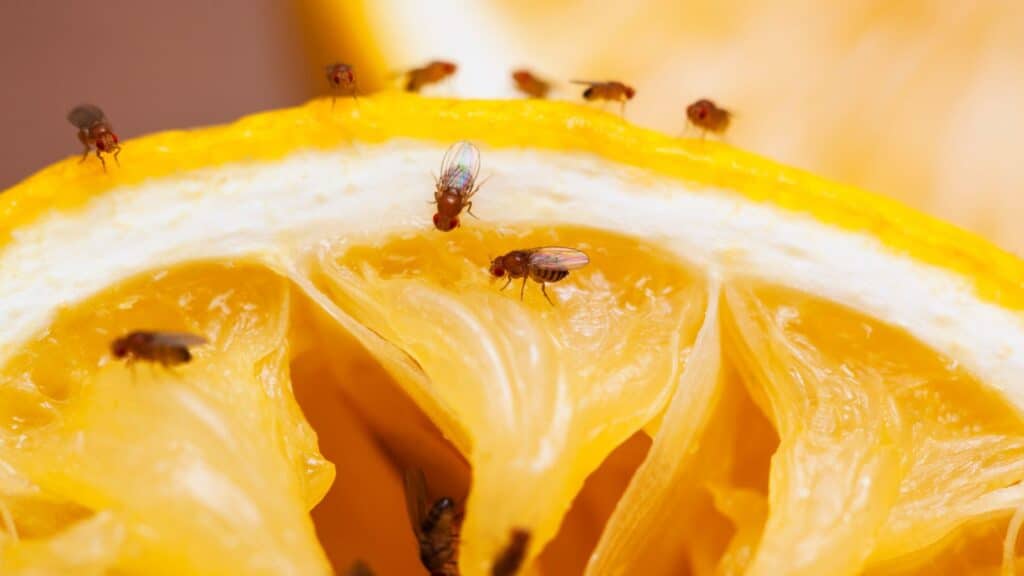
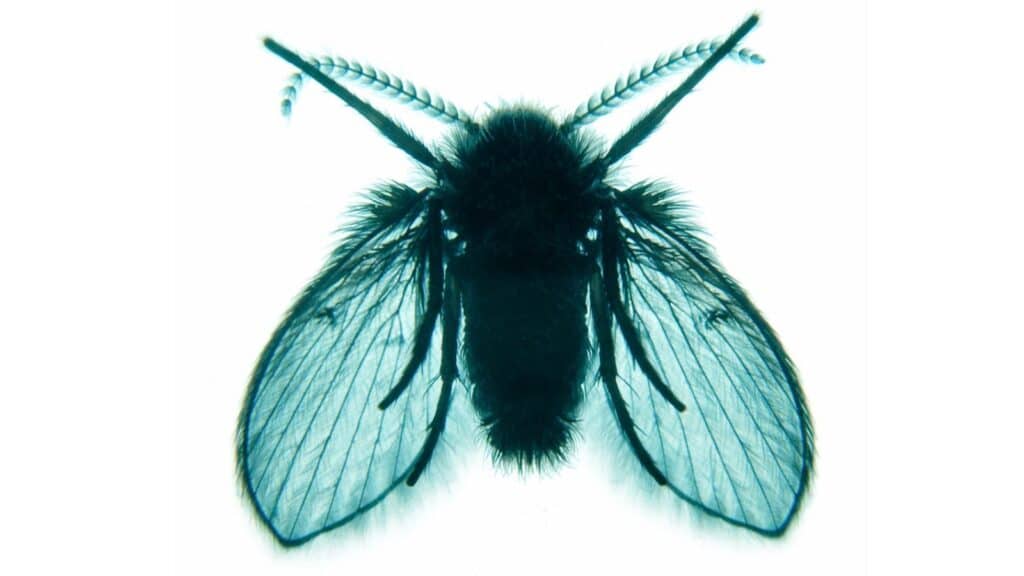
Drain flies and similar species often develop in neglected or contaminated drainage systems where organic slime accumulates. This is particularly common in commercial kitchens, basement areas, bars, washrooms, and service corridors.
You may notice this type of activity:
- Around sinks and floor drains
- Near dishwashers or wash-down areas
- In basement prep zones
- In bin stores with poor drainage
- Around rarely used outlets or gullies
Where drain-based breeding is involved, surface spraying alone rarely solves the issue. The breeding source must be identified and removed for control to last.
3. Warm Weather and Seasonal Pressure
Fly activity often increases through spring and summer as temperatures rise and breeding cycles accelerate. That said, fly infestations are not limited to hot weather. In London, internal heat, kitchens, boiler rooms, plant areas, and busy food premises can support fly activity at almost any time of year.
This makes fly control a genuine year-round concern, especially in properties with constant food handling or hidden moisture issues. Obsidian’s own fly-control service highlights summer pressure and the fast reproduction associated with warmer conditions.
4. Structural Access and Poor Proofing
Flies regularly enter through:
- Open doors
- Damaged fly screens
- Unscreened vents
- Delivery access points
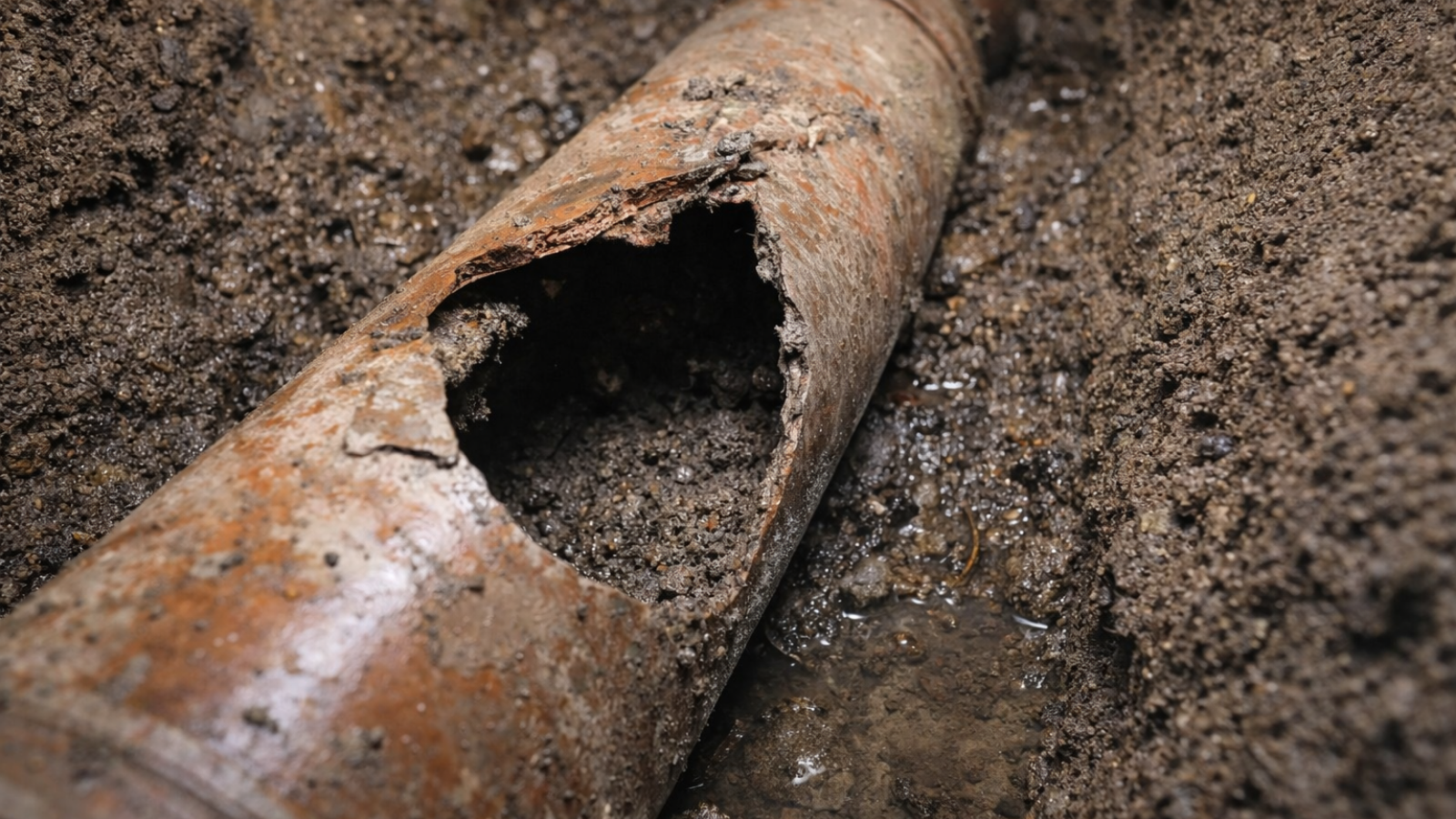
- Gaps around pipework
- Cracked seals and openings around windows
In restaurants, hotels and other high-footfall premises, constant opening and closing can make this worse. Once inside, if flies find food, moisture, and harbourage, activity can build very quickly.
Where Fly Infestations Commonly Occur
Fly problems vary by environment, but with our extensive experience in dealing with fly infestations, we’ve found that some locations appear again and again during inspections.
In homes
- Kitchens
- Utility rooms
- Food cupboards
- Bin areas
- Window ledges
- Pet feeding areas
In restaurants and food premises
- Food prep zones
- Dishwash areas
- Floor drains
- Cellars and basements
- Internal bin stores
- Waste holding areas
- Delivery points
In hotels and commercial buildings
- Kitchens
- Laundry zones
- Refuse stores
- Service corridors
- Guest waste collection areas
- Basement plant or drainage spaces
These are exactly the types of environments where hidden breeding can go unnoticed until sightings become frequent enough to disrupt operations.
Why Tackling Fly Infestations Matters
For homeowners, flies are unpleasant, unhygienic, and often a sign that something within the property needs urgent attention.
For businesses, especially those handling or serving food, the implications are far more serious.
Fly infestations can lead to:
- Contamination concerns
- Damaged customer confidence
- Disruption to operations
- Poor inspection outcomes
- Reputational harm
- Recurring hygiene failures if the source is not resolved
This is why food premises need more than a quick reactive treatment. They need source identification, targeted control, sanitation advice, proofing recommendations, and ongoing monitoring where necessary.
Food Standards Agency guidance makes clear that premises should support pest control and protection against contamination, and pests are treated as a food-safety issue rather than a cosmetic one. (Food Standards Agency)
Why DIY Fly Treatments Often Fail
Many people first reach for aerosols, off-the-shelf traps, or plug-in units. These may reduce visible numbers for a short period, but they rarely solve the root problem.
That is because the visible adult flies are often only part of the issue. The real problem may be:
- Larvae are developing in hidden organic matter
- Contaminated drains
- Inaccessible voids
- Neglected waste areas
- Structural entry points
- Repeated introduction from nearby external sources
Where breeding continues, the infestation simply returns.
Obsidian’s Professional Approach to Fly Control
At Obsidian Environmental Services, effective fly control starts with understanding why the flies are there in the first place. Our process includes:
Detailed Fly Inspection
We begin by assessing:
- The fly species involved
- Likely breeding sources
- Access points
- Sanitation issues
- Drainage concerns
- Environmental conditions supporting activity
This is essential because proper treatment depends on correct identification and source-led action.
Targeted Fly Treatment
Depending on the site and severity of the issue, treatment may include:
- Targeted insecticidal applications
- Drain-focused treatment strategies
- Monitoring and trapping
- Sanitation-led recommendations
- Electrified fly control kits
- Proofing advice to reduce re-entry
- Follow-up inspections where required
At Obsidian, we recognise the importance of getting the job done right the first time. This is achieved through targeted inspections, routine follow-ups, and locating the cause rather than treating symptoms alone.
Long-Term Fly Control
Lasting results rely on prevention as much as treatment. Long-term fly control may include:
- Improved waste handling
- More frequent cleaning of problem areas
- Drain maintenance
- Sealing access gaps
- Fly screens where appropriate
- Better storage and stock rotation
- Staff awareness in commercial premises
The objective is not just to reduce fly numbers today, but to make the environment less attractive for future infestations.
Recent Example of an Obsidian Fly Control Job
A busy restaurant group operating across London contacted Obsidian after repeated fly sightings around bar service areas, kitchen drains and rear waste zones. Staff had already increased cleaning, but the issue kept returning, particularly during warmer periods and peak service hours.
Following inspection, Obsidian identified a combination of contributing factors: organic build-up within drainage points, overlooked residue in service voids, and external attraction around waste holding areas. A targeted control plan was put in place using species-led treatment, source reduction, sanitation recommendations, and follow-up monitoring.
Fly activity reduced rapidly once the underlying breeding conditions were addressed. More importantly, the client was left with a clearer long-term control strategy to help protect hygiene standards, staff confidence and customer experience.
When Should You Call a Professional?
It is sensible to seek professional advice if you notice:
- Repeated fly sightings indoors
- Flies around drains, bins, kitchens or food storage areas
- Activity is increasing despite cleaning
- Maggots or larvae in waste zones
- Complaints from staff, customers, guests or tenants
- Recurring issues in restaurants, hotels, shops or communal areas
The earlier the source is found, the easier it is to bring the problem under control.
Need Professional Fly Control in London?
If you are repeatedly seeing flies around your London property, there is usually a reason. Whether the issue is affecting a home, hotel, restaurant, café, retail unit, office, kitchen or commercial premises, identifying the source early is the key to preventing the problem from growing.
With over 65 years of combined pest control experience, Obsidian Environmental Services provides professional, discreet and effective pest control across Central and Greater London. Our team works with homes and businesses to identify the cause of fly activity, eradicate infestations correctly, and help prevent recurrence through practical long-term control.
As proud members of the NPTA, we ensure that all technicians are RSPH qualified, insured, and follow industry best practices when dealing with fly infestations.
You can call us on 020 8050 0238 or request a quote online.