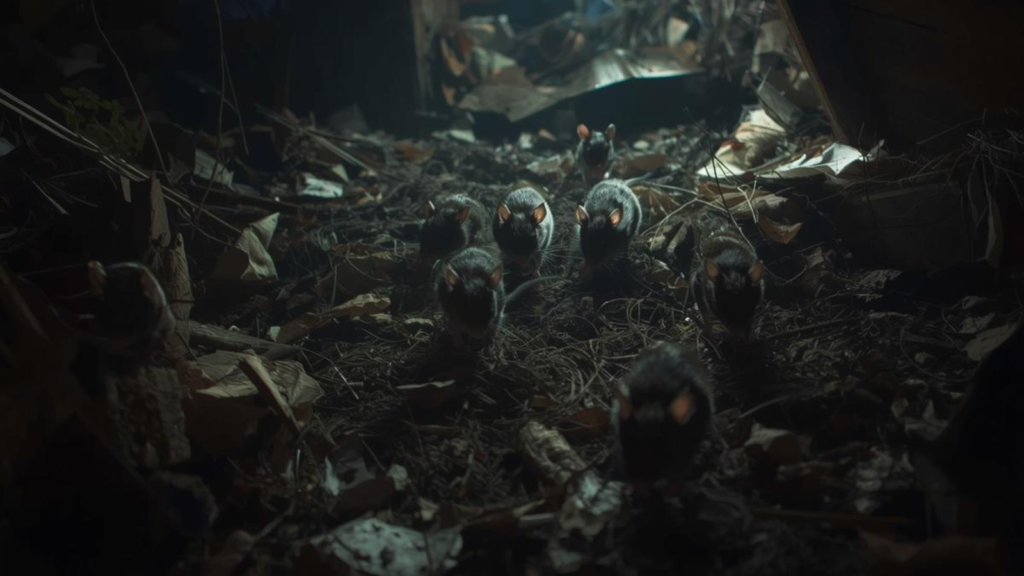
Mice become more active indoors during winter because cold weather reduces outdoor food and shelter. Across all property types, even small gaps can allow entry, leading to fast-growing infestations if left untreated.
As outdoor temperatures fall and food sources become scarce, mice actively seek warmth, shelter, and reliable access to food, often inside homes and businesses.
At Obsidian Environmental Services, our NPTA-accredited pest control specialists bring over 65 years of combined experience dealing with winter mouse infestations across London. From residential properties and apartment blocks to offices, hospitality venues, and retail premises, we understand exactly how and why mice exploit buildings during winter, and how to prevent them effectively. Our guidance follows RSPH best-practice standards for professional rodent control.
Key Points:
- Mice remain active year-round and seek indoor shelter during winter.
- Small structural gaps can allow unnoticed access and rapid population growth.
- Early detection and professional treatment reduce health risks and property damage.
Mice Behaviour During Winter (Why They Enter Buildings)
Unlike some mammals, mice do not hibernate. They remain active all year round, adapting their behaviour to survive colder conditions. During winter, mice work hard to conserve energy while avoiding predators and searching for safe nesting sites.
As natural shelter disappears and food becomes harder to find outdoors, buildings become highly attractive. Even the smallest gap, crack, or poorly sealed entry point can allow mice access indoors.
Mice are exceptionally agile and can squeeze through openings as small as 6-7mm, allowing them to enter properties unnoticed. Once inside, they quickly establish nesting sites and feeding routes, often remaining hidden until the infestation has grown.
Where Mice Commonly Hide Indoors in Winter
During colder months, mice gravitate towards warm, undisturbed areas where food is nearby. Our technicians most frequently locate winter infestations in:
- Kitchen cupboards, pantries, and food storage areas
- Behind appliances such as fridges, cookers, and dishwashers
- Hollow walls, ceiling voids, and under floorboards
- Airing cupboards, boiler rooms, and utility spaces
- Bedrooms, wardrobes, and under beds in quieter properties
Mice will also gather soft materials such as paper, insulation, and fabrics to build nests, often deep within the structure of the building, where DIY treatments cannot reach.

Do Mouse Infestations Get Worse in Winter?
Mice reproduce at an alarming rate. A single female can produce multiple litters per year, with 4-16 juveniles per litter. During winter, infestations often go unnoticed for longer periods as mice remain hidden in walls and voids, allowing populations to grow rapidly.
In shared or multi-occupancy buildings, mice can move freely between properties, spreading the infestation across flats, offices, or commercial units before it is detected.
Common Signs of Mice Activity in London Properties
Early identification is critical. Our NPTA-accredited technicians regularly identify infestations through the following signs:
Gnaw Marks
Mice constantly gnaw to keep their incisors sharp. Chew marks may appear on skirting boards, packaging, wiring, pipes, and structural materials. This behaviour poses both fire risks and structural damage concerns.
Droppings
Mouse droppings are small, dark, and spindle-shaped, similar in size to a grain of rice. They are often found along skirting boards, inside cupboards, or near food sources and nesting areas.
Smear Marks
Dark, greasy marks along walls and entry points are caused by dirt and oils accumulating in a mouse’s fur. These marks often indicate well-established travel routes and a more serious infestation.
Urine Pillars
In long-term infestations, mice may create visible urine pillars; compacted buildups of urine, hair, and dirt that can reach several centimetres in height. These are often accompanied by a strong ammonia-like odour.
Because mice are nocturnal and cautious, visible signs usually mean the infestation is already established.
The Health and Property Risks of Mice Infestations
Mice pose significant risks to both health and property. They are known carriers of diseases such as Salmonella, leptospirosis, and hantavirus, and their urine, droppings, and nesting materials can contaminate surfaces and food supplies.
For businesses, particularly those in food service, hospitality, healthcare, or retail, a mouse infestation can result in hygiene breaches, reputational damage, and enforcement action.
Structurally, mice can cause extensive damage by gnawing through insulation, wiring, and pipework, often leading to costly repairs if left untreated.
Why DIY Mouse Control Often Fails in Winter
Many property owners attempt to manage mice using traps or off-the-shelf bait. While these measures may catch individual mice, they rarely address the root cause of the infestation.
Without identifying nesting sites, entry points, and behavioural patterns, DIY treatments often allow surviving mice to continue breeding. In winter, when mice remain hidden deep within buildings, professional expertise is usually required to achieve long-term control.
Obsidian’s Proven Winter Mice Control & Prevention Approach
At Obsidian Environmental Services, we employ a carefully structured, multi-stage mice control strategy designed for London properties:
Comprehensive Inspection
We assess the property thoroughly to identify nesting areas, entry points, and behavioural patterns specific to winter activity.
Targeted Treatment
Using professional-grade control methods, we deploy treatments precisely where mice are active, ensuring effective population control without unnecessary disruption.
Monitoring & Follow-Up Visits
We conduct follow-up inspections to monitor bait consumption, identify new entry points, and ensure the infestation has been fully eradicated.
Rodent Proofing & Prevention
Our team provides expert advice and professional rodent-proofing services to seal access points and reduce the risk of recurrence.
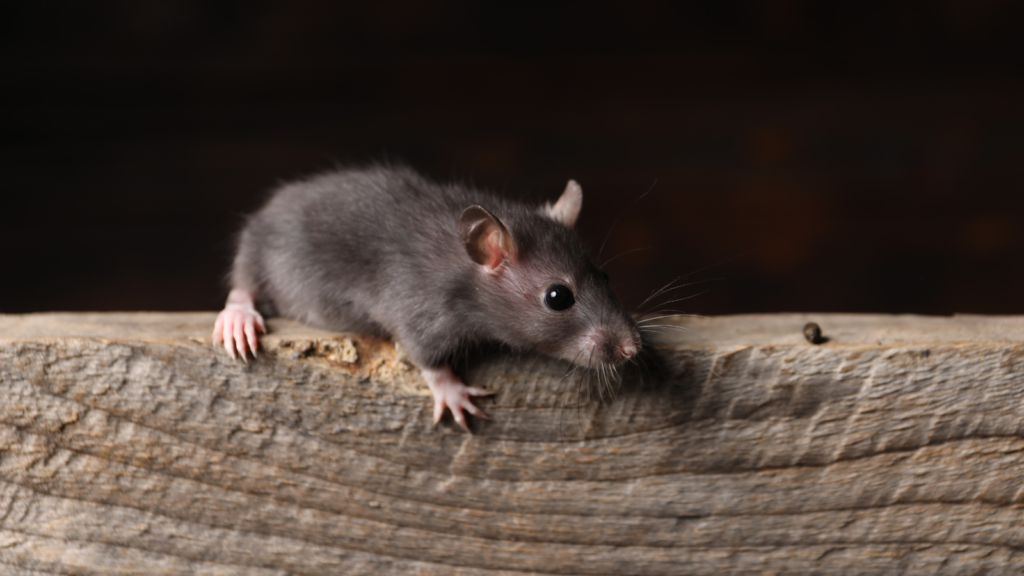
Learn more about our Rodent Proofing Services and Rodent Proofing Consultations.
This proactive approach ensures not just removal, but long-term prevention, particularly important during winter when conditions remain favourable for mice.
Practical Steps to Deter Mice During Winter
While professional treatment is often essential, property owners can reduce risk by:
- Removing food waste promptly and storing food securely
- Clearing garden debris and waste that can provide shelter
- Ensuring doors, vents, and service entry points are properly sealed
- Addressing structural gaps with professional rodent proofing
Even small improvements can significantly reduce the likelihood of mice gaining access indoors.
Protect Your Property From Mice This Winter
If you’ve seen signs of mice, or even a single mouse, swift action is crucial. Winter infestations escalate quickly, and delays often lead to more extensive damage and higher treatment costs.
Obsidian Environmental Services is trusted across London for delivering discreet, effective mice control solutions backed by decades of hands-on experience.
Understanding mice behaviour in winter allows property owners to act earlier and reduce long-term risks. Learn more about our Mice Removal Services, or arrange a Professional Inspection Today
Call us on 020 8050 0238 or book your inspection online to safeguard your property this winter.