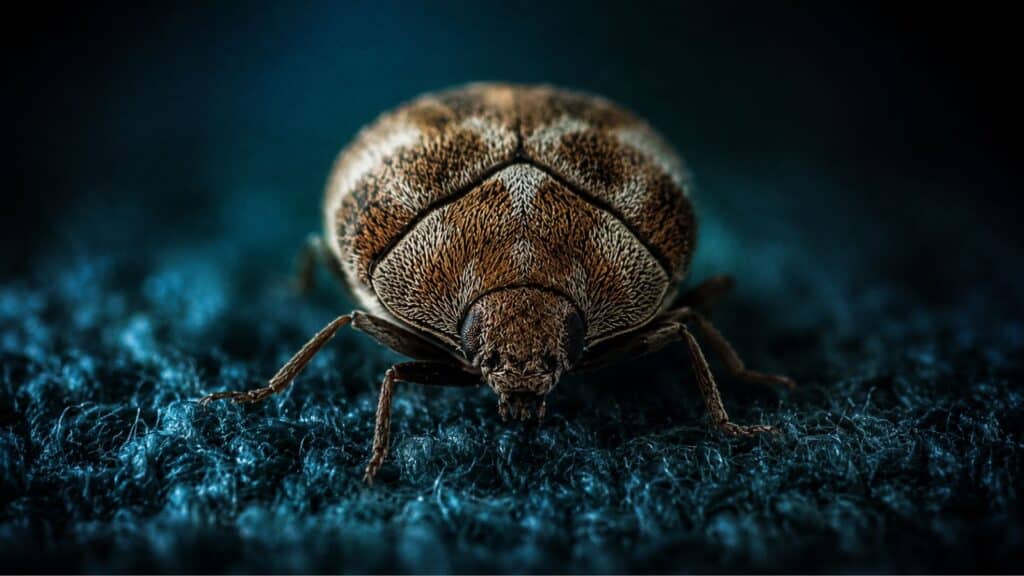
If you are dealing with an ongoing insect infestation, visible bites, blood spots, damage to clothing, larvae in fabrics, or pests that keep returning after DIY sprays, heat treatment may be one of the most effective professional pest control solutions available.
Heat treatments work by raising the temperature of the affected area to lethal levels for pests such as bed bugs, clothes moths, textile beetles and carpet beetles. Instead of relying only on surface sprays or visible contact, heat pods can penetrate deep into cracks, furniture, fabrics, skirting boards, wardrobes, luggage, soft furnishings and other difficult-to-reach harbourage points.
For serious or established infestations, heat treatment is especially valuable. It can reach areas that conventional treatments may struggle to access. In more complex cases, it can support or outperform methods such as localised steam treatment where the infestation is hidden deeper within furniture, rooms or fabric-rich environments.
What Is Pest Heat Treatment?
Pest heat treatment is a specialist method of insect control that uses professional heating equipment to raise the temperature of an affected room, area or item to a level that is lethal to the target pest.
The process is commonly used for insects that hide, breed or lay eggs in difficult-to-reach locations. This includes:
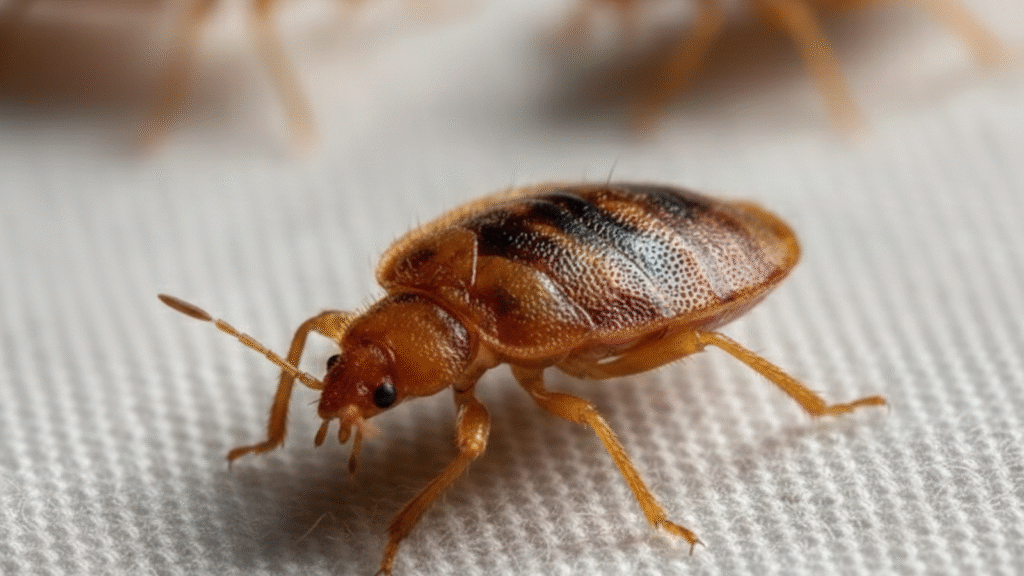
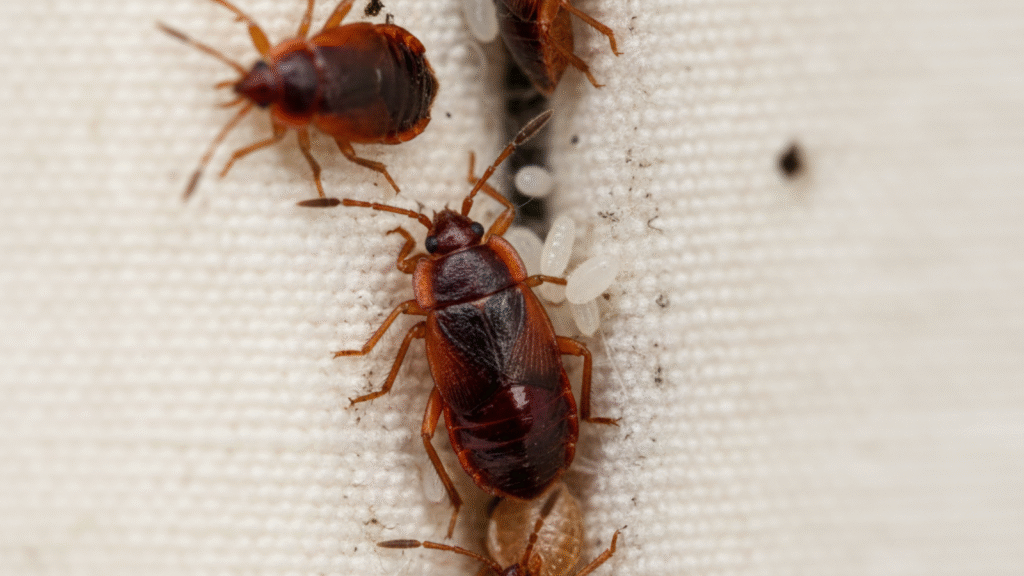
- Bed bugs hiding around beds, headboards, furniture joints and luggage
- Clothes moth larvae feeding on wool, cashmere, silk, rugs and upholstery
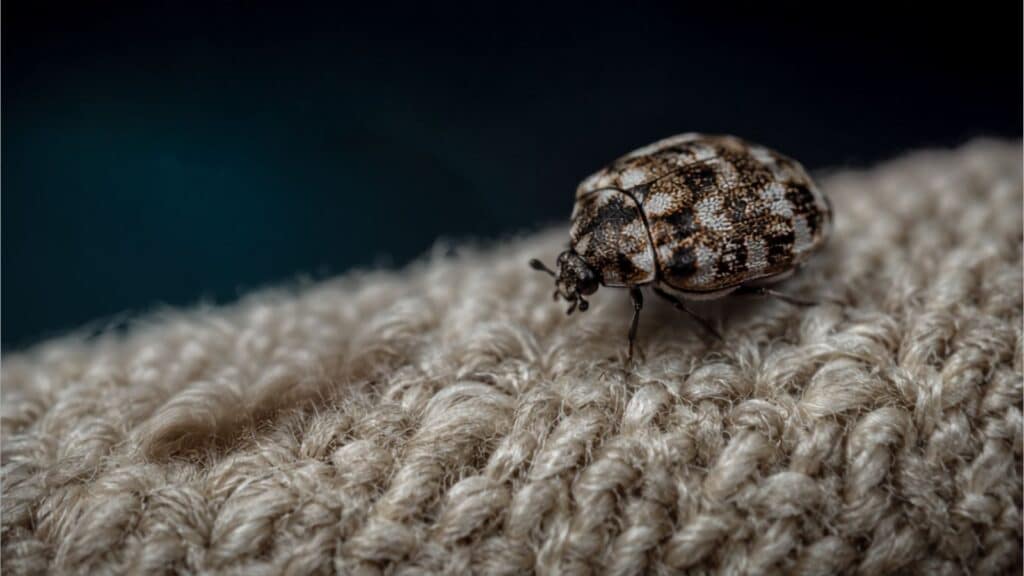
- Carpet beetle larvae living in carpets, wardrobes, soft furnishings and fabric stores
- Other resilient crawling insects where heat forms part of a wider treatment plan
The major benefit is that heat does not rely on pests walking across a treated surface. Instead, the temperature of the treatment zone within the heat pods is raised to lethal levels so that insects, larvae and eggs are targeted where they are hiding.
Why Heat Treatments Are So Effective Against Ongoing Infestations
Many insect infestations are difficult to remove because the visible pests are only part of the problem.
With bed bugs, the issue may be hidden behind headboards, inside bed frames, around skirting boards, behind sockets, in mattress seams or within luggage. With moths and carpet beetles, the most damaging stage is often the larval stage, which can remain hidden in wardrobes, rugs, carpets, upholstery and natural fabrics.
This is where heat treatment becomes particularly effective.
Heat can move into cracks, fabrics, furniture and enclosed spaces that are difficult to treat thoroughly with sprays alone. When correctly applied and monitored by trained pest control professionals, it can target multiple life stages of the infestation, including eggs, larvae, nymphs and adults.
This is one of the reasons heat treatments are becoming increasingly popular for bed bug control. Modern bed bugs have shown resistance to some traditional insecticides, which means chemical treatments may not always perform as reliably on their own. Heat provides a different approach because it targets the insect biologically through temperature rather than relying solely on chemical susceptibility.
Is Heat Treatment Chemical-Free?
Yes. Heat treatment is a chemical-free method of pest control.
No insecticidal spray is required as the primary killing method. The treatment works through controlled temperature exposure, which means there are no harmful insecticide residues left behind once the treatment is complete.
This makes heat treatment particularly suitable for sensitive environments, including:
- Family homes
- Hotels and guest accommodation
- Airbnb and short-let properties
- Landlord-managed flats
- Heritage properties
- Homes with valuable fabrics, rugs or soft furnishings
- Settings where chemical residue, odour or re-entry concerns need to be reduced
In some cases, Obsidian may still recommend supporting pest control methods as part of an integrated treatment plan. This depends on the pest, the property, the severity of the infestation and the risk of reinfestation.
Why London is a Hotspot for Bugs
London creates ideal conditions for certain pest problems to spread quickly.
Central London, Knightsbridge, Chelsea, Mayfair, Soho and other high-footfall areas see constant movement of people, luggage, clothing, deliveries and furnishings. Hotels, Airbnbs, serviced apartments and rental properties are especially exposed because guests and tenants may unknowingly introduce pests through luggage, clothing, second-hand furniture or personal belongings.
Bed bugs are strongly associated with travel and accommodation settings because they can move between rooms, bags and clothing. Clothes moths and carpet beetles can become established in homes with wool carpets, cashmere garments, silk items, upholstered furniture, rugs and other natural fibres.
Once insects become established, the problem can escalate quickly. A few visible signs may only represent a much larger hidden issue.
Common Signs You May Need Heat Treatment
Heat treatment is usually considered when there is a confirmed or strongly suspected infestation that needs decisive action.
You may need a professional inspection if you have noticed:
- Bites appearing after sleep
- Blood spots on sheets or pillowcases
- Dark spotting around mattresses, bed frames or headboards
- Live insects near beds, wardrobes, carpets or soft furnishings
- Larvae, shed skins or casings
- Holes in wool, cashmere, silk, rugs or upholstery
- Damage to clothing or natural fabrics
- Musty odours in rooms with heavy bed bug activity
- Recurring insect activity after DIY sprays or previous treatments
The sooner the issue is inspected, the easier it is to recommend the correct treatment plan.
Bed Bug Heat Treatments
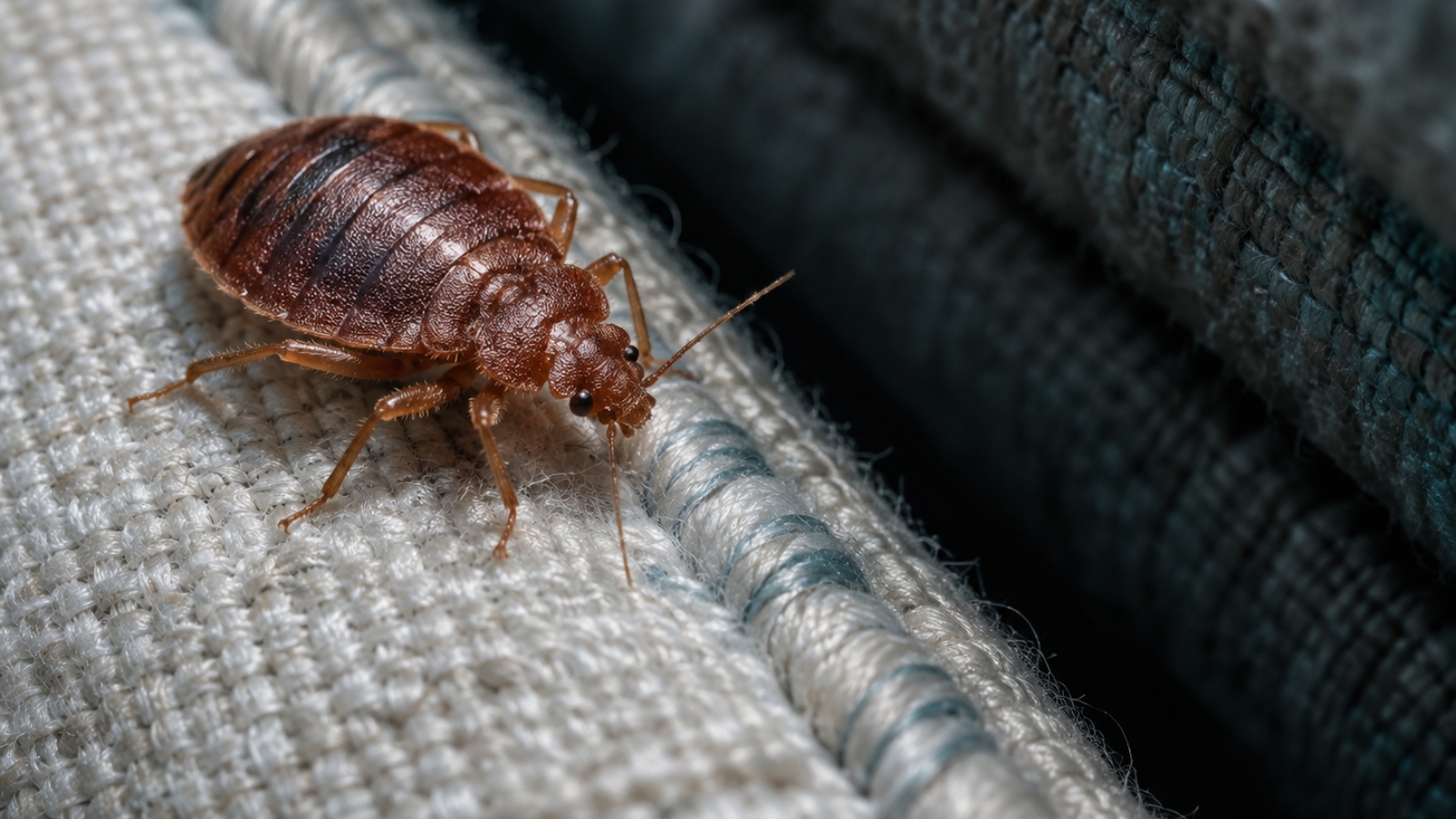
Bed bugs are one of the main pests treated with heat.
They are resilient, discreet and difficult to remove without professional equipment. They hide in tight spaces close to where people rest, including bed frames, mattress seams, headboards, furniture joints, skirting boards, sockets and luggage.
Utilising heat treatment pods as a control method is highly effective because it can target the areas where bed bugs are most likely to be hiding. Unlike some sprays, heat can reach into harbourage points that are not easily visible during inspection.
For many bed bug infestations, heat treatment can achieve strong results in a single visit. However, Obsidian will always assess the severity, property layout and risk of reintroduction before advising whether follow-up monitoring or additional treatment is recommended.
For hotels, serviced apartments, landlords and Airbnb operators, this is particularly important. A fast response can help reduce disruption, protect reputation and prevent the infestation from spreading into neighbouring rooms or units.
Clothes Moth Heat Treatments
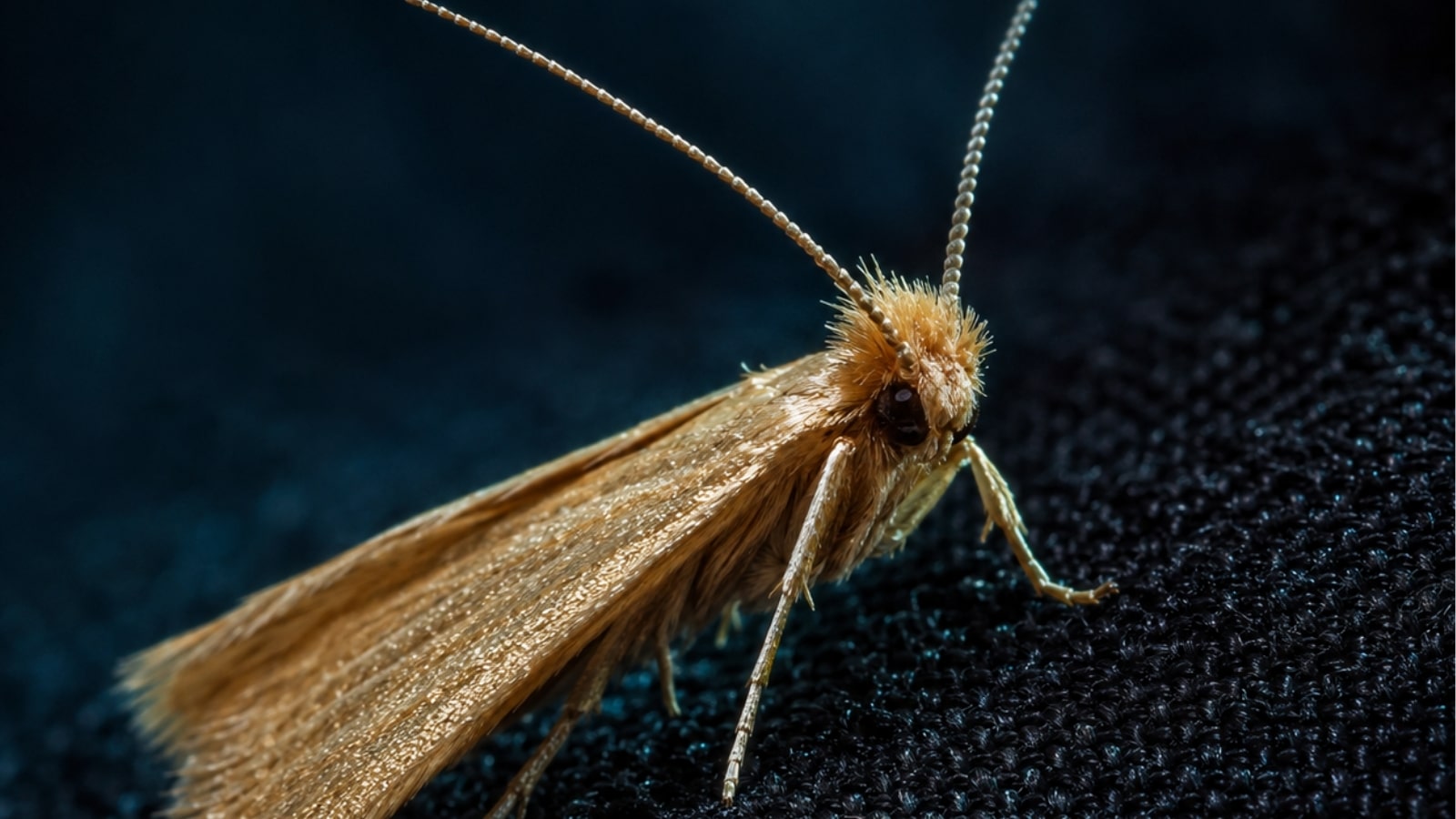
Clothes moth infestations can be deeply frustrating because the damage is often discovered after larvae have already been feeding for some time.
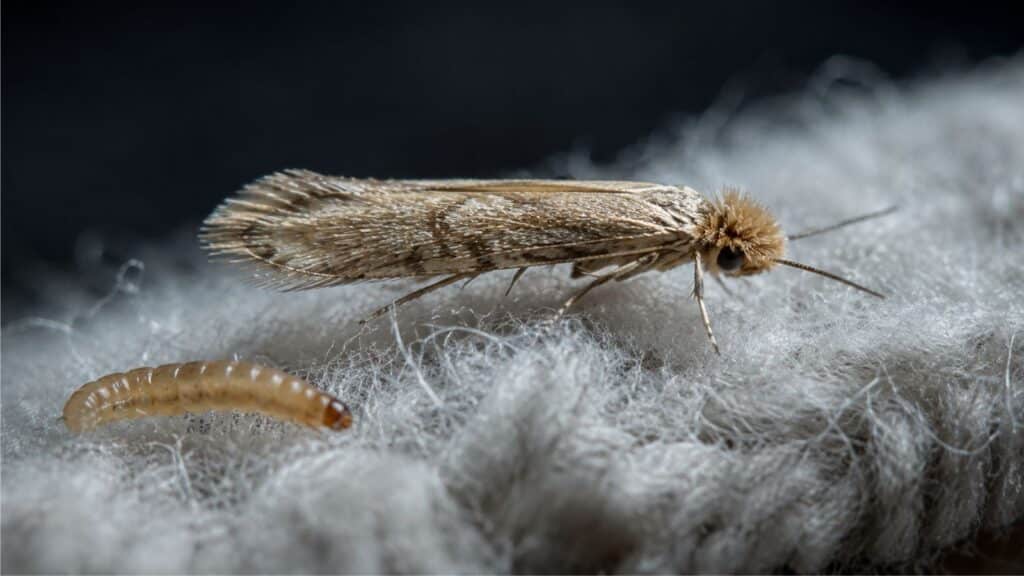
The adult moths are not usually the main cause of the fabric damage. The larvae are the destructive stage, feeding on natural fibres such as wool, cashmere, silk, fur, feathers, felt, rugs and upholstery.
Clothes moths love to feed on keratin, the fibrous protein their larvae need to grow. However, cotton generally lacks this, but they will still chew through cotton blends or feed on 100% cotton garments if the fabric is soiled with sweat, food stains, or body oils.
This makes moth infestations particularly concerning in London homes with:
- Wool carpets
- Cashmere clothing
- Silk garments
- Designer wardrobes
- Antique rugs
- Upholstered furniture
- Stored fabrics
- Heritage textiles
Heat treatment can be an effective option where moth activity is linked to fabric-rich rooms, wardrobes, rugs or soft furnishings. It allows our heat treatment pods to focus on the areas where larvae may be hidden, helping to tackle the infestation at source rather than only treating visible adult moth activity.
Carpet Beetle Heat Treatments
Carpet beetles are another common textile pest.
Like clothes moths, the larvae are usually responsible for the damage. They can feed on natural fibres, including wool, silk, hair, fur, feathers and other animal-based materials. They are often found in dark, undisturbed areas such as wardrobes, carpet edges, under furniture, drawers, upholstery and fabric storage spaces.
Carpet beetle infestations can be difficult to control because larvae may disperse across a room or property. A professional inspection is important to identify the source and understand whether heat treatment, targeted insect control, cleaning recommendations or proofing advice will be most effective.
Why Heat Treatments Can Be Better Than Traditional Spray Treatments
Traditional insecticide treatments still have a place in professional pest control, but they are not always the preferred option for every property or infestation.
Heat treatment may be more suitable when:
- The infestation is established or recurring
- The pest is hidden inside furniture, cracks or fabrics
- Chemical use needs to be reduced
- Valuable fabrics or belongings need careful protection
- Fast turnaround is important
- The property is used by guests, tenants or vulnerable residents
- The client wants a treatment with no insecticidal residue
Heat treatment also avoids some of the limitations associated with contact sprays. Sprays must usually reach the right areas, be correctly applied and remain effective against the target pest. Heat takes a different route by changing the treatment in the target environment itself.
That said, heat is not a casual DIY treatment. It requires professional equipment, preparation, temperature monitoring and an understanding of how insects behave under heat stress. Poorly delivered heat treatments can leave cold spots where insects survive.
This is why Obsidian uses a structured approach.
How Obsidian Carries Out Heat Treatments
Every heat treatment starts with proper assessment.
Before recommending heat treatment, Obsidian considers the pest involved, the level of activity, the affected rooms, property layout, fabric risk, access, safety considerations and whether any heat-sensitive items need to be removed or protected.
A typical process may include:
- Inspection and pest identification
The first step is to confirm the pest and understand the extent of the infestation. - Treatment recommendation
Obsidian will advise whether heat treatment is appropriate or whether another pest control method would be more suitable. - Preparation guidance
Clients are advised on how to prepare the room or property before treatment, including what should be moved, protected or removed. - Controlled heat application
Specialist equipment is used to raise temperatures within the treatment area. - Monitoring and adjustment
Temperature monitoring is important to reduce the risk of untreated cold spots and ensure heat reaches key harbourage areas. - Aftercare and prevention advice
Once complete, Obsidian provides clear guidance on what to do next and how to reduce the risk of reintroduction. - Follow-up where required
Some infestations may require additional visits, monitoring or supporting treatments for longer-term reassurance.
A Recent Heat Treatment for a Luxury Home in Knightsbridge
A residential client in Knightsbridge contacted Obsidian after noticing damage to valuable fabrics, including wool and cashmere items, alongside signs of insect activity around soft furnishings and storage areas.
The property contained high-value fabrics, delicate belongings and occupied living spaces, which made a heavy spray-led approach less suitable. Traditional chemical treatments may have raised concerns around residues, odour, exposure after application and the risk of affecting sensitive materials.
Following inspection, Obsidian recommended heat treatment as the most appropriate solution.
The treatment allowed the affected areas to be targeted without relying on toxic insecticide residues. Heat was used to reach into fabric storage areas, furniture, carpets and other potential harbourage points where larvae or insects could be hidden.
Before treatment, heat-sensitive items were identified and managed appropriately. During the process, the treatment area was controlled and monitored to ensure the correct level of exposure. Once complete, the client was given aftercare advice to help protect the property and reduce the chance of reintroduction.
For this type of Knightsbridge property, the use of heat treatment pods provided a discreet, non-destructive and chemical-free route that aligned with the client’s concerns around fabrics, health, property protection and long-term peace of mind.
Can Heat Treatment Remove an Infestation in One Visit?
In many cases, heat treatment can produce a significant result in a single visit, especially where the infestation is properly assessed, the area is prepared correctly, and the treatment reaches the right locations.
However, no responsible pest control company should promise that every infestation will always be resolved in one visit without understanding the property and the severity of the infestation.
Some cases require follow-up visits, monitoring or additional control measures. This is particularly true where there is a risk of reintroduction, neighbouring activity, complex property layouts, heavy clutter, adjoining rooms or multi-unit buildings.
At Obsidian, we will always recommend the route most likely to deliver effective, lasting results rather than simply selling one method as a universal solution.
Is Heat Treatment Safe for Homes, Hotels and Landlords?
When carried out professionally, heat treatment is a controlled, specialist process.
Because it is chemical-free, no insecticidal residues are left behind after treatment. This can make it particularly appealing for homes, hotels, landlords, serviced apartments and Airbnb properties.
For commercial and hospitality clients, Obsidian also understands the importance of discretion. Pest problems can affect trust, reputation and guest confidence, so we work professionally and carefully to help resolve the issue with minimal unnecessary disruption.
When Should You Call a Pest Control Professional?
You should speak to a professional if you have seen insects, noticed bites, found blood spots, discovered damage to clothing or fabrics, or suspect an infestation is worsening.
This is especially important if DIY products have failed. Repeated low-level treatments can allow pests to remain hidden, spread further and become harder to control.
Based in Central London, Obsidian Pest Control works across London and the surrounding areas, helping residential clients, landlords, hotels, Airbnb hosts and businesses dealing with complex pest issues.
If you are unsure what treatment you need, the first step is simple: speak to a professional.
Our initial advice call is free. We can help assess the severity of the problem, explain the likely cause, and recommend the right solution. Where heat treatment is suitable, it can provide a powerful, chemical-free and highly effective option for tackling stubborn insect infestations at source.